








Have you ever heard a leader admit they feel like a junior again, after a dozen years in the industry? We heard it straight from our CEO Anatolii, at AnyforSoft’s 15th anniversary. And here’s the thing.
It wasn’t a lack of confidence talking. It was maturity. Stick around, and you’ll see why.
From one recommendation to eighty-eight
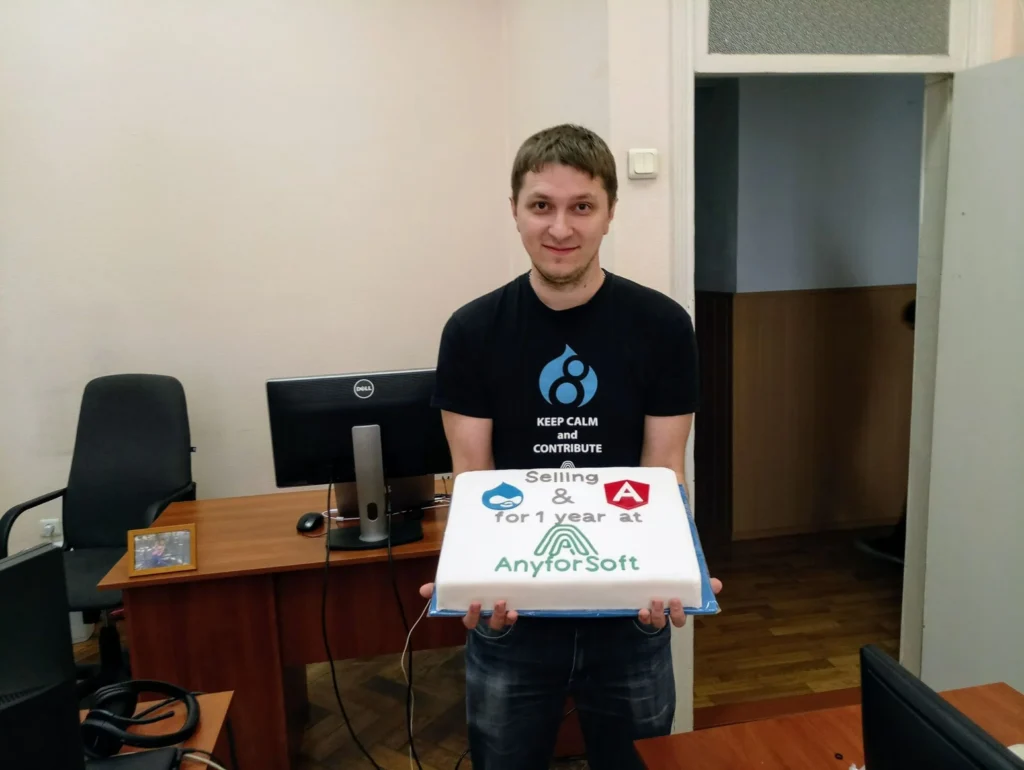
Back in 2011, AnyforSoft didn’t have a sales team or a pitch deck. What it had was one client who liked the work enough to tell someone else about it. If we were a TV studio, we’d call that a pilot episode, the one good enough to become a full season.
Fifteen years brought the outcomes:
- Partnerships with real weight behind them. Bellame has worked with AnyforSoft since 2018, growing its clientele by 400%. Game Informer came back as a client after years away. The first step together built a platform that handled 5 million visitors at relaunch. Now AnyforSoft is applying agentic, AI-driven development to expand what that platform can do next.
- A steady presence in education, long before it became the focus. (Spoiler: it is now.) Delaware County Community College and Imperial College Business School, among others, both trusted AnyforSoft to secure, stabilize, and modernize platforms their communities depend on daily.
- The AI era. Examples from the portfolio cover different industries. Wittenborg University’s website assistant answers real applicant and student questions, so the university can support people at scale without sacrificing accuracy. FilterSync’s AI verifies, from a photo, whether a tenant actually changed an air filter. In both cases, AnyforSoft followed the same rule: use AI to make existing tools work better, not to replace them.
On Clutch, AnyforSoft holds a rating of 4.9 out of 5 across 88 reviews, and has been recognized as a Top AI Company in Education and a Top Drupal Company Globally, in 2026.
What changed when code got cheap
What do you pay for when you partner with a software development company? When code is written by hand, the process is slow and effort-consuming. Clients paid for turning an idea into working software. Hence, the most transparent way of quoting was based on working hours.
Vibe coding has compromised an hour-based approach. With AI, one can create an MVP in a couple of days. The real question is how it performs in production.
So now, clients pay for a partner’s ability to judge. It means understanding what a client’s business actually needs, what their users experience, and which features are worth building at all.
AI can produce working code. It’s far worse at deciding what features deserve to be built.
“Development work billed by the hour will probably still exist for years, but it’ll be a shrinking niche, like floppy disks. Technically still around, just not relevant anymore.”
— Anatolii Pazhyn, AnyforSoft CEO
The shift from billing hours to selling expertise changed how AnyforSoft’s team worked. As Dmytro Olaresko, the company’s COO, told at the anniversary: we had stopped writing code for the sake of code.
A new habit took hold alongside it.
“People across the company started asking each other a different question before starting any piece of work: why are we doing this, and how does it actually help the client?”
— Dmytro Olaresko, AnyforSoft COO
The question kept going. What good does this do for the client’s own customers? This line of thinking, repeated project after project, pulled the work out of a kind of bubble.
Technology stopped feeling abstract. It started feeling tied to something real, both as a service and as a way of seeing the industry itself.
Curious again, at fifteen years in
Now, the answer to why the whole team felt like juniors again.
AI didn’t just speed up old tasks. It changed the tasks themselves, and the skills needed to do them well. Dmytro described the resulting learning curve as a return to beginner’s curiosity.
“It’s kind of cool, because there’s a feeling that we’ve gotten a bit younger.”
— Dmytro Olaresko
Anatolii picked up the same thread from the business side. He compared it to his own early days learning to code, a period he remembered as genuinely absorbing. That same pull was showing up again now, he said, this time in how the company approaches clients and deals.
The shift moved people from simple chat-based AI use toward directing AI through full workflows. It also meant staying accountable for the results.
Have you ever heard of a leader who insists you spend less time in front of the laptop? That’s been AnyforSoft’s leadership position. As Dmytro noted, specifying tasks, reviewing AI output, and correcting it demands real mental effort, “a bigger load on the head” than people expected. Hence, the practical recommendation: unwind after sessions with AI properly.
By the way, that’s basically “work smarter, not harder” — it seems to be the new classic one in the AI era.
The next rung on the AI ladder
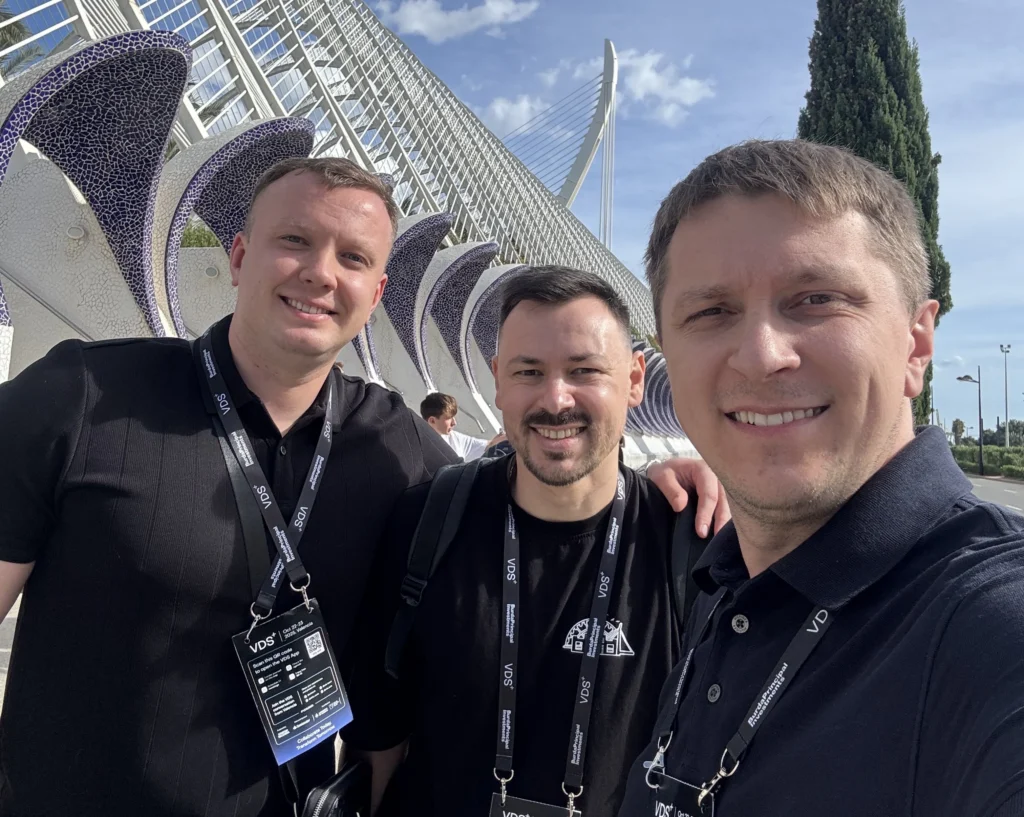
Juniors aren’t so junior, ultimately. AnyforSoft management, engineers, BAs, PMs, marketers use AI, each for tasks suited to their own role.
The next level up is agentic engineering for clients.
This is where AI-specification-driven development, an approach the team calls BMAD, comes in. Instead of writing code line by line, engineers specify what a system needs to do, and AI builds it, with people directing and reviewing rather than typing every line themselves.
Game Informer was the pilot for this approach.
In 2025, Game Informer relaunched with 26,000 subscribers built from nothing, working toward a 30,000 target by year’s end. When 5 million visitors hit the site at restart, the infrastructure held. In 2026, the collaboration is expanding into agentic engineering and the BMAD approach, a method AnyforSoft now applies more broadly.
Game Informer is a good example of how external and internal work intertwined. AnyforSoft’s own Delivery Portal, the internal system the company now uses to manage its projects, was born directly from what the Game Informer pilot proved possible.
The new destination: EdTech
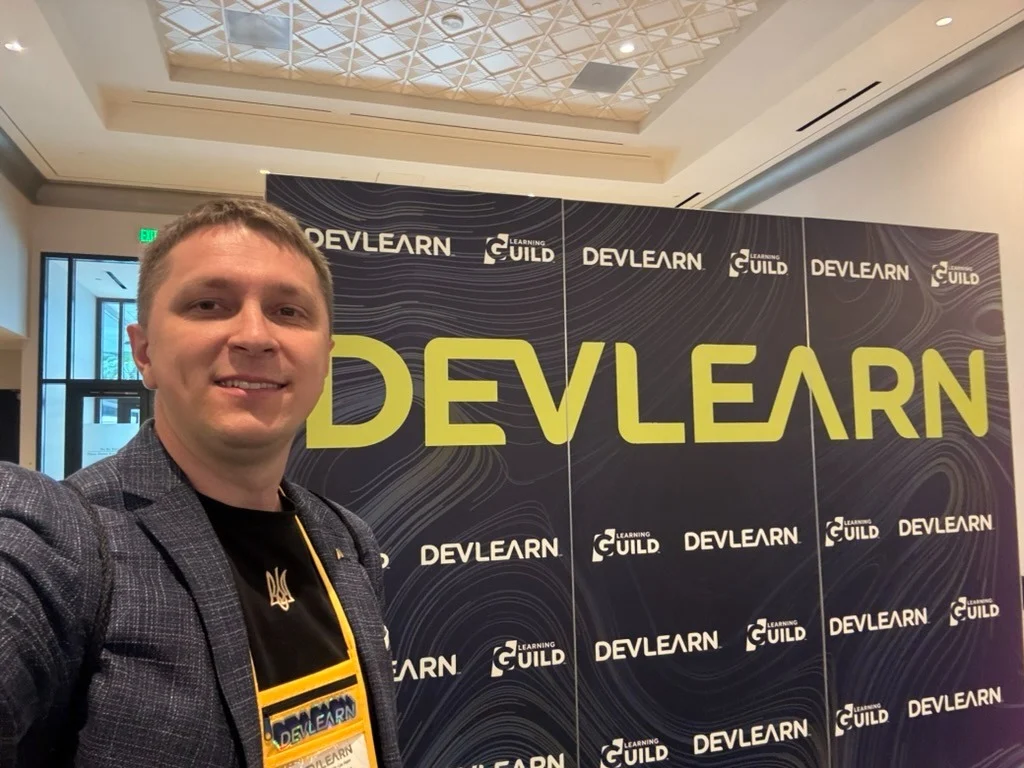
Education is where AnyforSoft chose to go deeper. The portfolio already had education-related work built into it. LMS platforms, custom portals, data integrations, the technologies that field depends on, are technologies the team already knows well.
High Pass Education is a telling example. The company’s learners prepare for licensing exams, and standard learning platforms weren’t built for that kind of preparation. AnyforSoft built a custom testing and analytics layer instead, one that tracks each learner’s own performance history. According to Benjamin Caldwell, CEO and President at High Pass Education, graduates specifically credit that guidance as an edge when they sit their exams.
That’s one exam, one platform, one learners’ advantage. The Anyforsoft leadership sees the same challenge at a much larger scale:
Somewhere right now, a 17-year-old is deciding her future on a university website that’s failing her. A nurse is preparing for a licensure exam on a platform built in 2009. Proper tech and AI can fix both, and almost nobody is doing it properly yet. That’s the work.
— Anatolii Pazhyn
The pilot got renewed. Season sixteen starts now.